
So, What Kind of Winter Are We Getting in Western New York?
EB Builders Roofing and Renovations
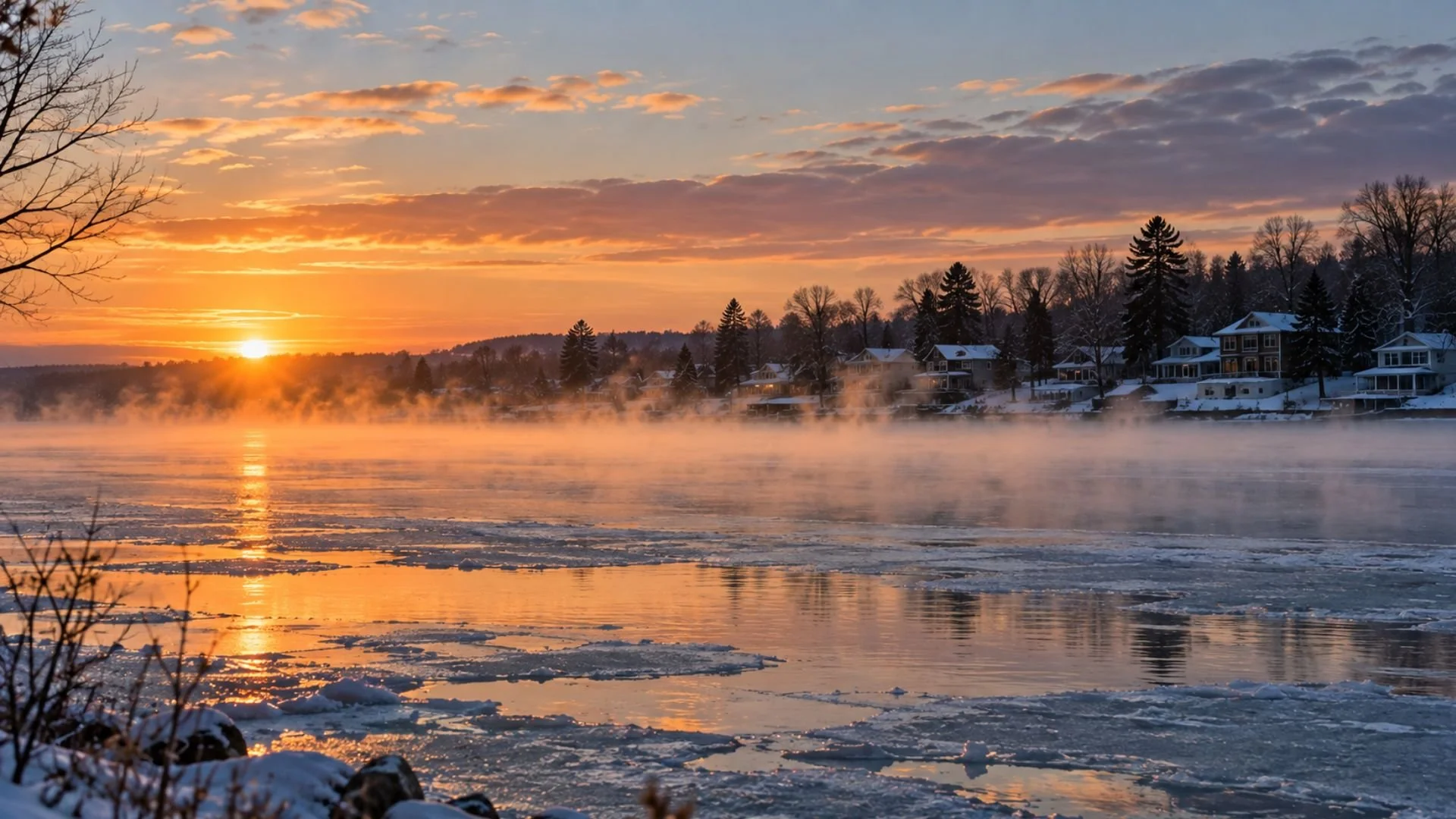
What the forecasts are saying — from a roofer, not a meteorologist.
If there’s one thing we like to talk about in Western New York, it’s the weather.
We complain about it. Blame it. Plan around it. Sometimes we even love it. And every fall, the same question starts making its way around:
So... what kind of winter are we getting this year?
I’m a roofer, not a meteorologist, but I figured I’d put the meteorologist hat on for a few minutes. And listen, I’m still learning here too.
So I did a little digging into what the actual weather experts are saying about the 2026–27 winter, what that could mean here in Western New York and — because I can’t help myself — what I’m paying attention to from a roofing standpoint.
So, what are they saying?
There’s a pretty significant El Niño developing.
As of September, NOAA’s Climate Prediction Center says El Niño is strengthening, with a greater than 90% chance of becoming a very strong event during fall and winter 2026–27. There’s also a 75% chance its strength during October through December reaches a level exceeding previous El Niño events in NOAA’s record dating back to 1950.
That sounds dramatic.
But it doesn’t mean Western New York is guaranteed a record-breaking winter.
NOAA is pretty clear about that, too. El Niño changes the likelihood of certain weather patterns, but it doesn’t tell us exactly what will happen in one particular town — or how much snow is going to land in your driveway.
Current seasonal outlooks also favor warmer-than-normal temperatures across much of the northern and eastern United States heading into winter. But these are averages across larger areas and longer periods of time. They aren’t predictions for an individual Western New York storm.
Translation: there’s some interesting weather developing. No, I’m not predicting how many inches of snow we’re getting.
I’ll leave that part to the meteorologists.
We’ve had a few winters worth remembering
If you’ve lived here long enough, you probably don’t need anybody to tell you that Western New York weather can change quickly.
Some of these happened in my lifetime. Some are the ones our parents still talk about. And some aren’t very old at all.
A few that stand out:
1976–77: The winter that still gets brought up decades later. Buffalo recorded 199.4 inches of snow that season.
November 2000: Snow fell at rates of two to four inches per hour during portions of the storm. Jamestown recorded 22 inches, Stockton recorded 31, and Erie, Chautauqua and Cattaraugus counties were ultimately declared federal disaster areas.
November 2022: Parts of the Buffalo area measured snowfall in feet rather than inches during a major lake-effect event, with some locations south of Buffalo receiving six feet or more.
Christmas 2022: Another one that doesn’t need much introduction around here. Buffalo experienced 37 consecutive hours of blizzard conditions during the storm.
The point isn’t to predict another one.
It’s actually the opposite.
Around here, we know better than to assume we know exactly what winter is going to do.
What I’m watching is water
Snow gets most of the attention during a Western New York winter.
As a roofer, though, I’m thinking about what happens when that snow melts.
Because rain is water. Snow becomes water. Ice becomes water.
And we’ve already spent a lot of this summer dealing with water getting where it shouldn’t.
We’ve been called out for leaks and found bad water transitions, areas where water was sitting instead of moving off the roof, failed pipe boots, deteriorated plywood and other seemingly small problems that gave water a way in.
I’ve said it before:
Shingles aren’t waterproof. They’re water-shedding.
A roof is designed to move water away from your home. Shingles are part of that, but so are the slope, flashing, valleys, penetrations, gutters and all the little transitions across a roofing system.
When those pieces are doing their job, water has somewhere to go.
When they’re not, water usually finds the problem eventually.
It doesn’t take a record-breaking winter
That’s probably the part worth remembering as we head into fall.
We don’t need six feet of snow for a small issue to become a bigger one.
Sometimes it’s rain. Sometimes it’s melting snow. Sometimes it’s water freezing, thawing and freezing again.
And sometimes it’s simply a problem that was already there before winter showed up.
That’s why I’m interested in the forecast, but I’m probably more interested in what we’re seeing on roofs right now.
Winter will come. We’ll get some combination of rain, snow, ice, warmer days and cold ones.
Whatever falls up there eventually has to go somewhere.
So, what kind of winter are we getting?
Ask me in April.
Until then, I’ll leave the forecasting to the meteorologists.
But whether this winter ends up being one we talk about for years or a relatively uneventful one, the same thing is true: water needs somewhere to go.
And if there’s already an area around your roof or home where it isn’t going where it should, fall is a pretty good time to deal with it.
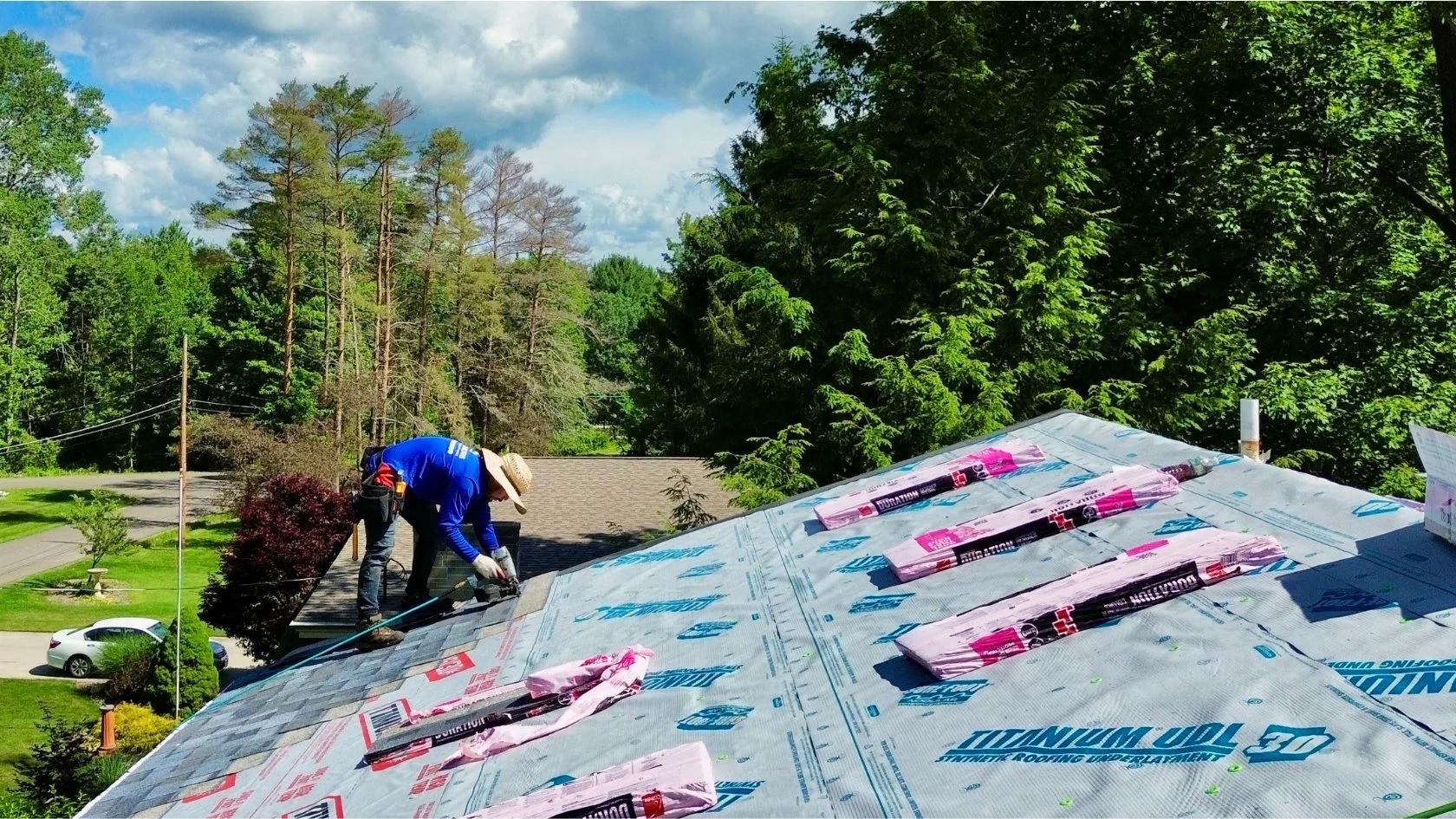
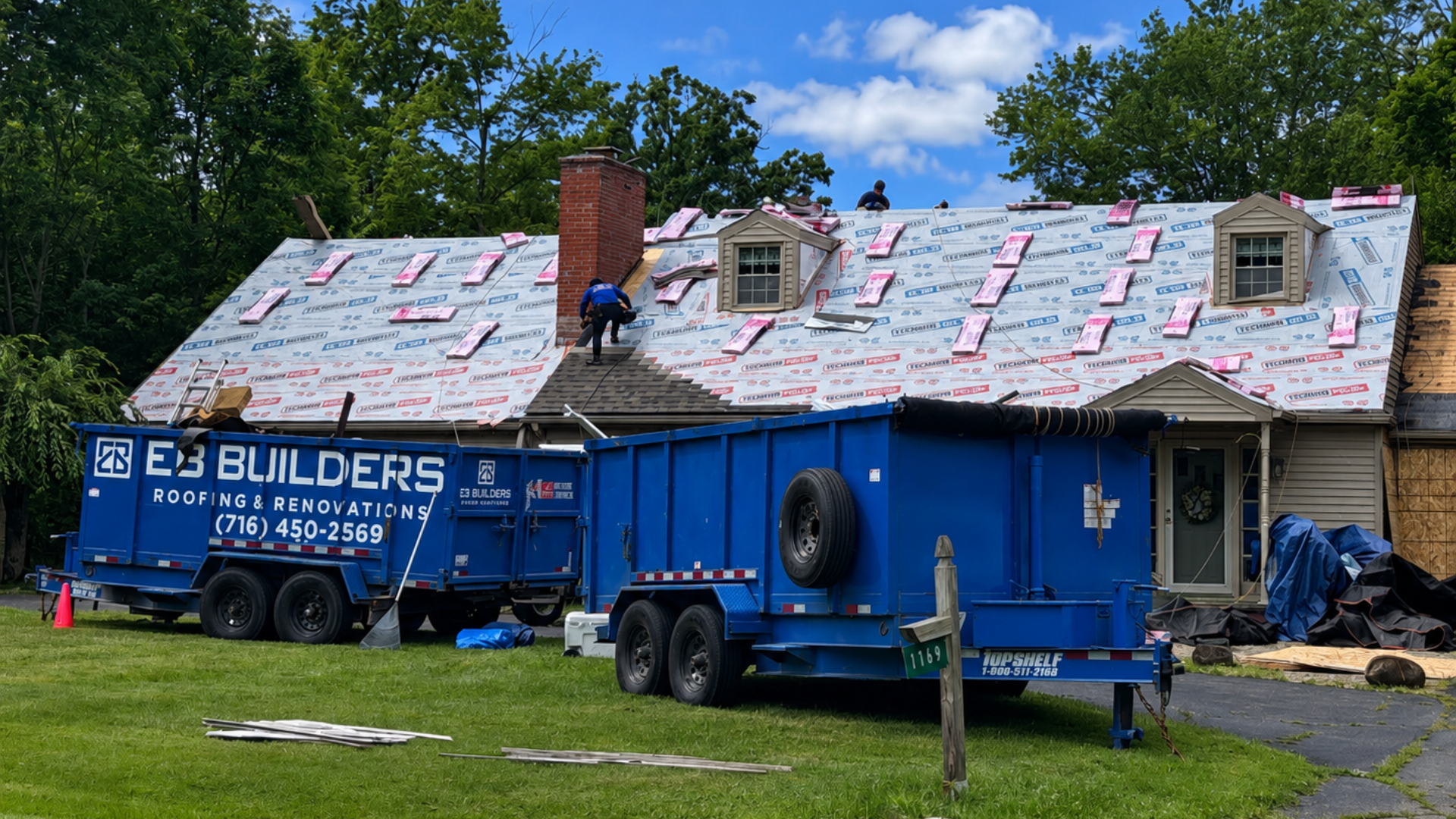

We’re putting on our unofficial meteorologist hat and looking at what experts are saying about the 2026–27 Western New York winter — plus why, from a roofer’s perspective, we’re keeping an eye on water.